
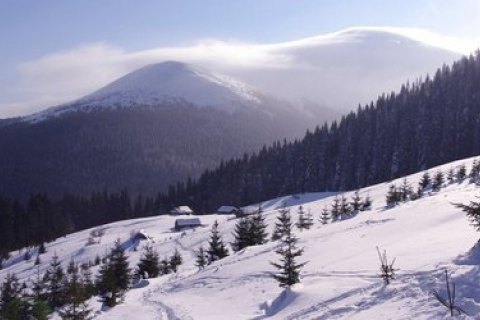
The natural conditions in which the Carpathian breed was formed are characterized by frosty winters and high humidity, so the Carpathians bee are well adapted to long harsh winter weather and relatively short, rainy and windy summers. If the winter is cold, the Carpathian bees are relatively economical with the consumption of food, and if the winter is warm with long thaws, the bee queen begins to sow brood early, due to which the cost of honey increases significantly. In winter, bees come on 5-9 frames at the rate of 2-2.5 kg of honey per frame. If the hive is insulated, the bees easily overwinter in the wild. In wintering families, there is usually a low mortality rate. The death of Carpathian bees wintering in the wild is not more than 10%. Another feature of the Carpathians is the rapid and intensive development after winter, which allows the beekeeper to obtain honey and pollen from the first spring cavities.
Category: Interesting information
General features of the Carpathians
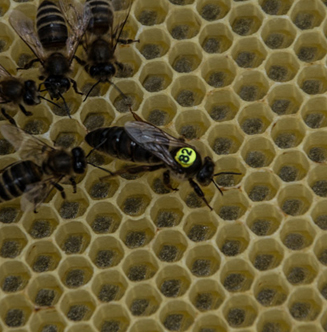
High egg-laying productivity in queen bees, good wintering, peacefulness is not aggressive and the ability to adapt to various, including difficult climatic conditions. From many years of experience in exporting Carpathian bees to different parts of the world, they have shown good results, both in hot and cold regions, where relatively long winters and constant summer vacations, which is also typical for Transcarpathia.